Namo India Mart
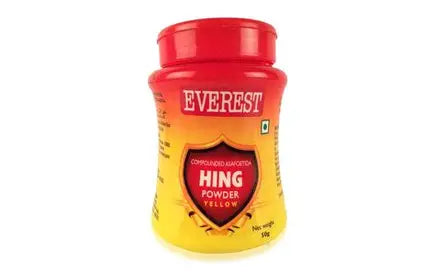
Everest Hing Powder 50 gm
Everest Hing Powder 50 gm
Couldn't load pickup availability
Everest Hing Powder 50?Gm — what it is, why it’s useful, and how to use it well ??
?? What Is It
“Hing” (also called “asafoetida”) is a resin?derived spice from the root/stem of a plant in the Ferula genus.
In powder form, hing is often “compounded” (mixed with a small amount of flour or gum) so that it’s easy to store and use — which is what Everest does.
Everest’s 50?g pack gives you a small, convenient quantity — enough for many home?cooking sessions, and easy to store without wastage.
?? What It’s Used For — Culinary Uses
Hing powder is a popular spice/starter in many Indian kitchens because:
When added to hot oil or ghee at the beginning (tadka/tempering), even a tiny pinch of hing instantly gives a strong, savory aroma — often described as “onion?garlic?like” umami.
It’s especially useful in dal (lentils), vegetable curries, sambar/rasam, stir?fries — dishes where its pungent aroma and flavour deepen the taste, often replacing onion/garlic in certain diets.
Because it adds a “savory?umami” base quickly, it’s a go?to whenever you want to make cooking simpler or lighten dishes (e.g. while avoiding heavy onion/garlic).
? What You Get / Benefits
Strong flavour boost from small quantity — hing is very potent, so a little goes a long way; you don’t need much to get great flavour.
Ease of cooking: Keeps recipes simple — instead of juggling many spices for that savory depth, hing gives a reliable base fast.
Digestive aid & gut?friendliness: Traditionally, hing is used because it helps digestion, eases gas/bloating, and improves digestibility of lentils/beans and heavy meals.
Versatility: Works in vegetarian and non?vegetarian dishes, but especially valued in vegetarian / Jain / satvik cooking (where onion and garlic are avoided).
?? How to Use — Tips & Best Practices
Always add hing to hot oil or ghee first at the start of cooking (tempering/tadka) — this helps unlock its aroma and mellow the initial pungency.
Use sparingly — just a pinch or ¼ teaspoon; too much makes the dish overly pungent.
Store in an airtight container, in a cool, dry place — hing loses potency quickly if exposed to moisture or air.
Be aware: many “hing powders” are compounded (mixed with flour or gum). If you have gluten intolerance, check packaging carefully.
?? Typical Dishes Where Hing Shines
Simple dals (moong dal, toor dal, masoor dal) — a pinch of hing in tadka transforms flavour.
Vegetable sabzis / stir?fries (potato, cauliflower, beans, okra, etc.) — especially in dry or semi?dry style.
Sambar / rasam / other South?Indian lentil?vegetable dishes.
Light dishes where onion/garlic are avoided — such as Jain or satvik meals.
Quick everyday meals where you want flavour + easy digestion.
Share