1
/
of
1
Namo India Mart
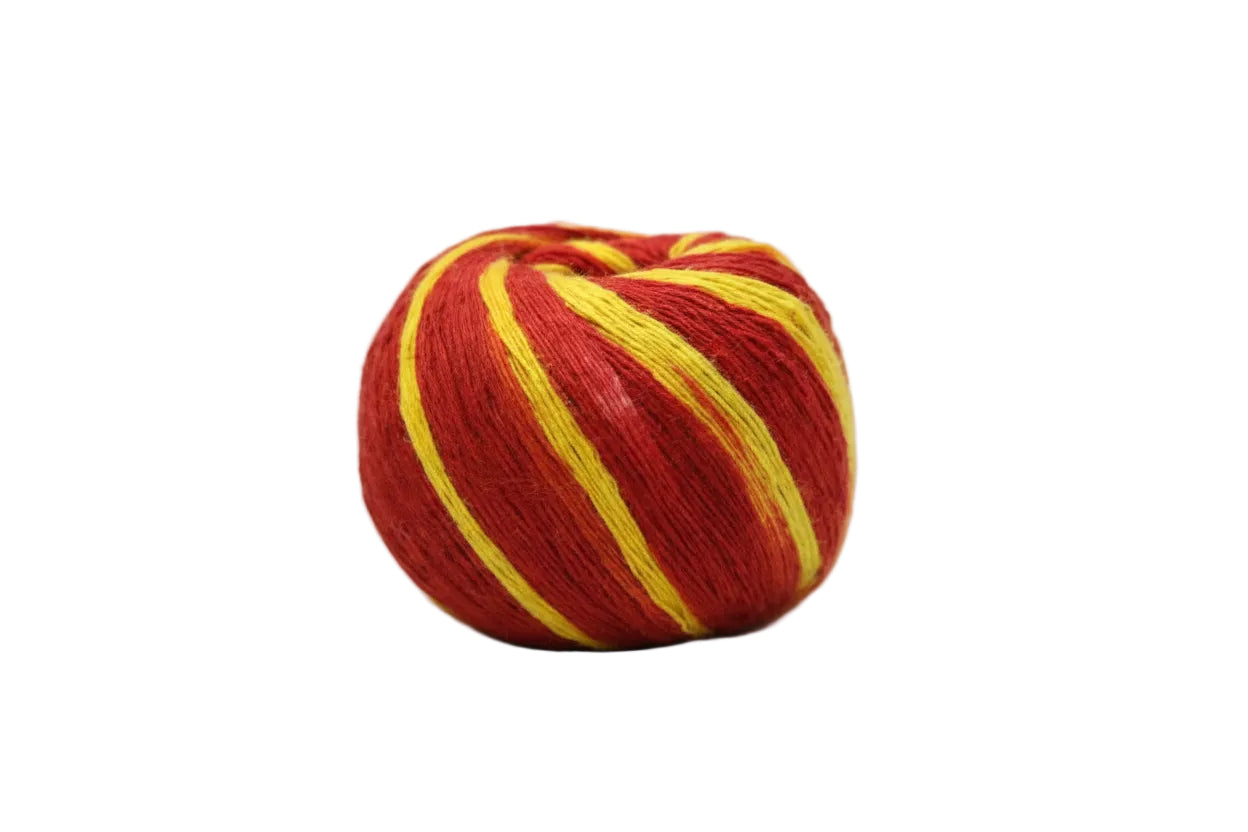
Nima Moli Thread Roll / Pooja Kalava
Nima Moli Thread Roll / Pooja Kalava
Regular price
€1,00 EUR
Regular price
Sale price
€1,00 EUR
Taxes included.
Quantity
Couldn't load pickup availability
| Nima Moli Thread Roll / Pooja Kalava — what it is, how and why it’s used, and what to expect when you have it. 🧵 What is Moli (Kalava) Thread / Pooja Kalava “Moli” (also called “Kalava,” “Mauli,” or “Raksha Sutra”) is a sacred thread used in many Hindu rituals and ceremonies. It is usually made of cotton, and commonly features red and yellow (or red and saffron) strands, symbolizing purity, protection, divine energy, and auspiciousness. A “thread roll / kalava roll” means the thread is supplied as a length (roll or spool) rather than as pre‑cut bracelets — so you can cut, tie or use pieces as needed for various rituals. 🙏 Spiritual & Traditional Significance Using moli / kalava thread carries traditional and symbolic meanings: Protection & Blessings: When tied during a puja or ceremony, the thread is believed to act as a “Raksha Sutra” — a protective charm warding off negative energies, evil eye, or misfortune. Mark of Auspiciousness: Red/yellow kalava is associated with sacredness, power, purity, and divine energy — making it fitting for worship, vows (sankalp), ceremonies like yagnas, havans, house‑warming, naming ceremonies, etc. Symbol of Spiritual Commitment: Tying the thread — often with mantra recitation — signals devotion, respect, and readiness to follow spiritual discipline or perform religious obligation. 🔧 Typical Uses & How to Use It With a moli thread roll like this, you can use it for: Puja & Havan: Tie around the wrist of participants during poojas, homas, yagnas, or special rituals, as part of the ceremony. Raksha Sutra / Protective Thread: Wear on wrist as a talisman for protection and blessing — often kept until the thread wears off or for the period specified by custom. Kalash / Sacred Objects: Sometimes devotees tie such threads around sacred objects (kalash, idols, puja items) or around items associated with ritual to sanctify them. Festivals & Vrat Ceremonies: Useful during festivals (like Navratri, Diwali, Raksha Bandhan) or during fasts and spiritual observances where symbolic protection and purity are invoked. ✅ What to Expect: Material & Features For a typical cotton moli/kalava thread roll: Material: Usually 100% pure cotton — soft, skin‑friendly, and breathable (good for wearing as wrist‑thread). Colors: Red and yellow thread (sometimes with saffron/orange hues), representing energy, protection, purity and auspiciousness. Flexibility: As it’s supplied as a roll, you can cut it to desired length, tie single or multiple rounds, depending on ceremony requirements. Multipurpose Use: One roll can serve many rituals or many people — suitable for occasional home puja, family rituals, temple use or festivals. 🛑 What to Keep in Mind / Cultural Etiquette The thread is symbolic and sacred: when tying as part of ritual, often mantras are recited by priest or elder. It’s considered respectful to treat the thread and the ritual with reverence; often, people wear it until it wears off or until defined by custom (some keep until next sankalp or next ritual). For hygiene and comfort: since it’s worn on skin (wrist), cotton/thread‑based moli is preferable. After use — if the thread becomes worn, faded or unused — many traditions instruct that it not be casually discarded; sometimes threads are disposed in respectful way (e.g. in flowing water or near sacred trees) rather than trash — depending on regional customs. |
Share